Air India Crash Insurance Coverage: What Airline Insurance Covers, Who Can Apply, Benefits, and Claim Process Explained
Air India Crash Insurance Coverage
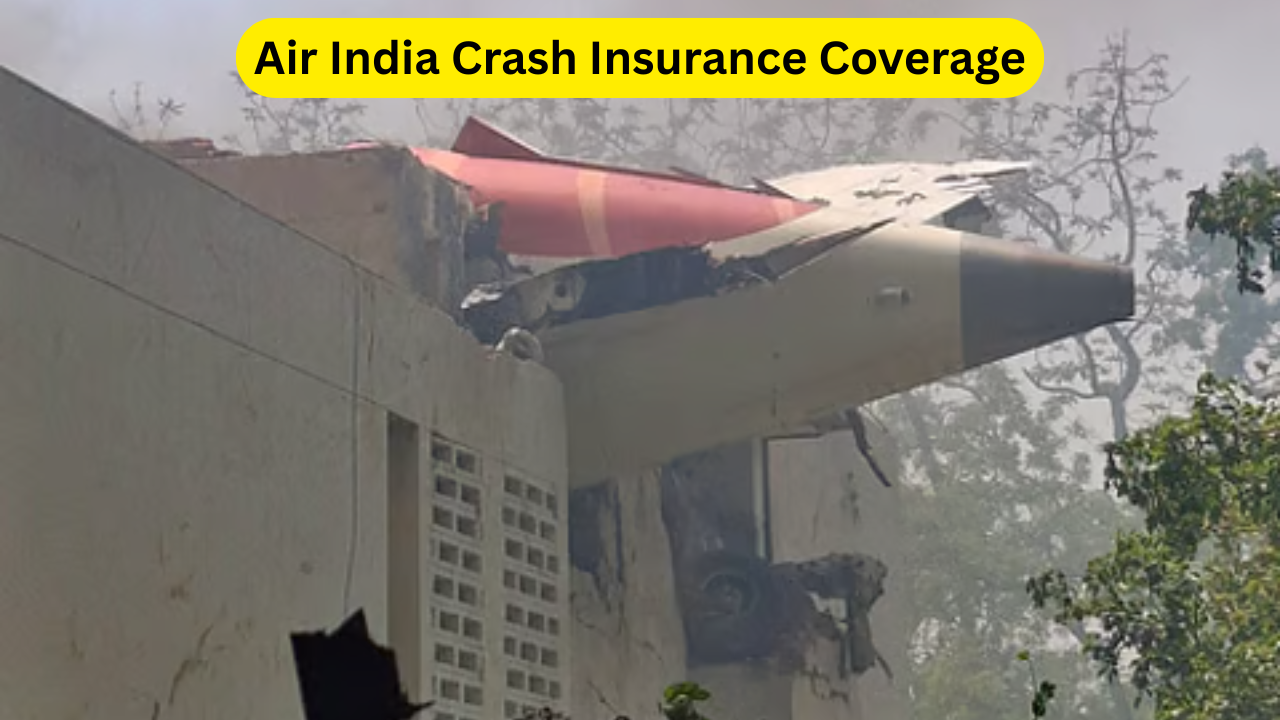
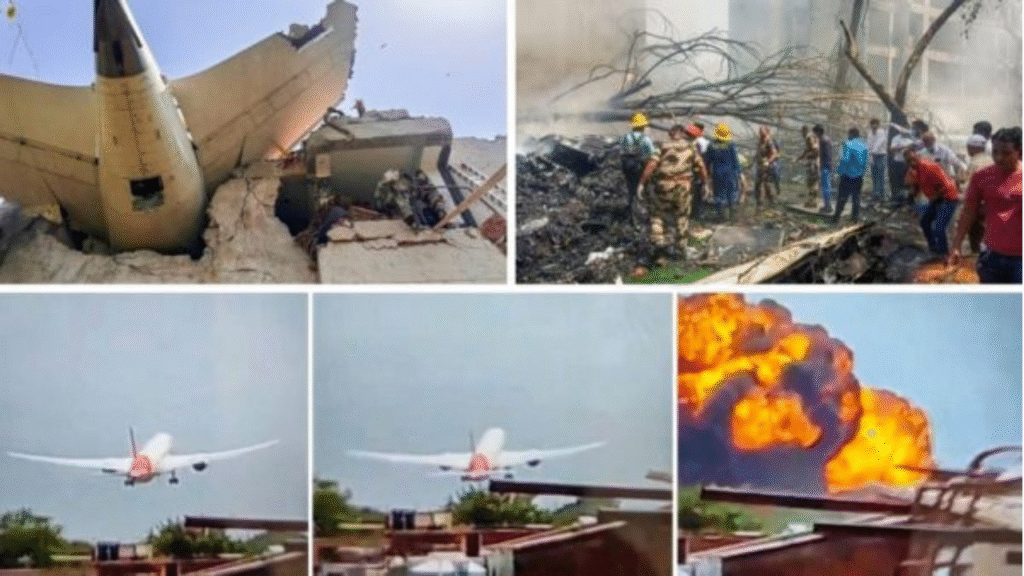
Air India Crash Insurance Coverage: In the aftermath of the tragic Air India crash in Ahmedabad, a pressing question has emerged among travelers and the aviation industry alike: what does airline insurance actually cover, and how long does it take for claims to be settled? According to Sourav Biswas, the Business Head of Aviation Insurance at Alliance Insurance Brokers, airline insurance is a highly specialized domain designed to mitigate risks associated with air travel. It typically includes three crucial components: physical damage to the aircraft, passenger legal liability, and third-party liability. These ensure that any injury or death of passengers and damage to property or individuals on the ground is financially addressed through comprehensive policies backed by both domestic insurers and international reinsurers.
In the case of a total loss — when the aircraft is completely destroyed — the financial repercussions are immense. Estimated losses can exceed $130 million, with roughly $80 million attributed to the aircraft’s value and the remaining $50 million covering passenger and third-party liabilities. Such high-stake incidents invariably influence aviation insurance premiums, prompting insurers to impose stricter risk assessment parameters. This includes close scrutiny of aircraft maintenance records, pilot training protocols, and airport safety measures. Additionally, most airline insurance plans also provide coverage for baggage (including electronics), in-flight medical emergencies, and emergency landing costs. Passengers with personal travel insurance can also claim for trip disruptions, medical treatments, and hospitalization costs beyond what airline liability offers.
India’s aviation insurance landscape is dominated by New India Assurance, while Tata AIG holds a significant share in insuring Air India’s fleet, given its ownership under the Tata Group. The burden of payouts, however, largely rests on foreign reinsurers, with Indian insurers typically covering just 10% of the liability. Despite being robust, liability claims are time-consuming, often taking 2 to 3 years or more to be resolved due to legal formalities and investigations. This extended timeframe can be a concern for victims’ families and affected passengers waiting for compensation.
Airline Insurance: Who Can Apply?
Airline insurance policies are primarily applied for by airline operators and aviation companies, but passengers can also benefit from personal travel insurance that complements what the airline covers. The following parties are eligible:
- Airline operators (domestic and international)
- Charter flight companies
- Private jet owners
- Aviation leasing companies
- Passengers (via personal travel insurance)
- Cargo operators
For individual passengers, especially frequent fliers, investing in personal travel insurance ensures additional coverage beyond what the airline offers—such as emergency evacuation, trip cancellation, and lost personal items.

Insurance Fees: What’s the Cost?
- For Airlines: Premiums depend on the fleet size, aircraft type, safety records, and previous claim history. An annual policy can range from $2 million to over $30 million.
- For Passengers: Personal travel insurance premiums in India start from ₹300 to ₹1,500 for domestic trips and ₹1,000 to ₹5,000 for international travel, based on age, duration, and coverage amount.
Premiums are reviewed annually and may rise significantly following major crashes or claim events, as seen in the aftermath of the Air India incident.
Also read: Barclays Upgrades Zurich Insurance Stock Rating: Key Catalysts Make It a Strong Buy in 2025
How to Use Airline or Travel Insurance in an Emergency
- Report Immediately: Contact the airline and your insurance provider as soon as the incident occurs.
- Submit Claims: Provide necessary documents such as boarding pass, medical records, receipts, and incident reports.
- Track Claim Status: Regularly check with the insurer regarding updates.
- Use Support Services: Most insurers offer 24/7 helpline assistance for international travelers.
Passengers involved in accidents will automatically have their cases processed by the airline’s legal and insurance teams, but those with travel insurance can file parallel claims.

How You Benefit from Airline Insurance
- Compensation for Injuries or Death
Coverage under Passenger Legal Liability ensures that victims or their families are financially compensated. - Medical Emergencies Handled
Onboard and post-incident treatment, including emergency landings and hospital costs, may be reimbursed. - Lost or Damaged Baggage Covered
Compensation for luggage and personal items, including electronics. - Third-Party Damages Accounted For
If someone on the ground is affected, the policy covers their medical or property loss. - Legal Assistance
Covers legal defense and settlement fees if claims are pursued in court.
How to Apply for Personal Travel Insurance
For Individual Travelers:
- Visit a trusted insurer’s website (e.g., Tata AIG, ICICI Lombard, HDFC ERGO).
- Choose your plan (Domestic or International).
- Fill in travel details (destination, dates, number of travelers).
- Select add-ons like baggage protection or adventure sports coverage.
- Make Payment and receive the policy via email or app.
For Airline Companies:
- Consult a licensed aviation insurance broker.
- Share fleet and operations data.
- Receive customized policy quotes.
- Negotiate premiums and finalize the policy document.
Important Dates
- Air India Crash Incident: May 2025
- Insurance Policy Activation: Typically active from ticket issuance for passengers.
- Claim Submission Deadline: Within 30-60 days post-incident for personal insurance.
- Claim Settlement Timeline: 2-3 years for airline liability; 15-45 days for personal travel insurance.
Disclaimer
This article is for informational purposes only. The coverage details, claim process, and benefits may vary depending on the insurer, policy type, and specific case details. Always refer to your official insurance documents and consult a certified insurance advisor or legal expert before making any claim or assumption. We are not liable for any financial loss based on this content. Tata AIG Travel Insurance
Air India Crash Insurance Coverage Conclusion
Airline insurance plays a pivotal role in ensuring financial security and legal accountability in the wake of aviation disasters. As demonstrated by the recent Air India crash, the multi-layered structure of aviation insurance—spanning physical aircraft damage, passenger liabilities, and third-party claims—provides critical support to airlines and passengers alike. However, these claims, especially those involving legal proceedings and multiple reinsurers, can take several years to resolve.
For travelers, the importance of personal travel insurance cannot be overstated. It offers a faster and often broader spectrum of benefits, especially when it comes to trip cancellations, lost baggage, or emergency hospitalization. Whether you’re flying domestically or internationally, adding a travel insurance policy to your itinerary can significantly reduce stress and provide peace of mind.
The role of foreign reinsurers and global insurance cooperation is crucial in high-value claims. Indian insurers, though significant players, rely heavily on international partners to fulfill larger settlements. This global framework ensures that airlines can recover quickly and that victims receive justice and compensation.
As the aviation industry grows and air travel becomes increasingly accessible, insurance will continue to be an essential pillar of both regulatory compliance and passenger safety. Understanding its nuances helps individuals make informed choices and strengthens trust in aviation.
Air India Crash Insurance Coverage FAQs
1. What is covered under airline insurance in case of a crash?
Airline insurance covers aircraft damage, passenger injury or death (passenger legal liability), and third-party liability (damage or injury to people/property on the ground). It also includes baggage loss, emergency medical care during the flight, and sometimes legal defense fees.
2. How long does it take to settle insurance claims after an aviation accident?
Liability and aircraft damage claims for airlines can take 2–3 years or longer due to legal processes and investigations. However, individual travel insurance claims (medical, trip cancellations) are usually settled in 15–45 days if all documents are in order.
3. Do passengers need to buy travel insurance separately?
Yes. While airlines have mandatory liability insurance, passengers benefit from additional coverage with personal travel insurance, especially for emergency medical costs, trip delays, and lost luggage.
4. Who pays for the aircraft in case of a total loss?
Multiple insurers and reinsurers share the burden. In India, foreign reinsurers usually pay the majority (90% or more), while Indian companies like Tata AIG or New India Assurance bear a smaller share.
5. What if I lose my baggage or electronics during a flight emergency?
Airline insurance includes baggage coverage, but compensation may have limits. If you have travel insurance, you can file an additional claim, which may offer better reimbursement for high-value items like laptops and cameras.
Related Posts :






Share This Post