Minimalist Living Room Décor Ideas
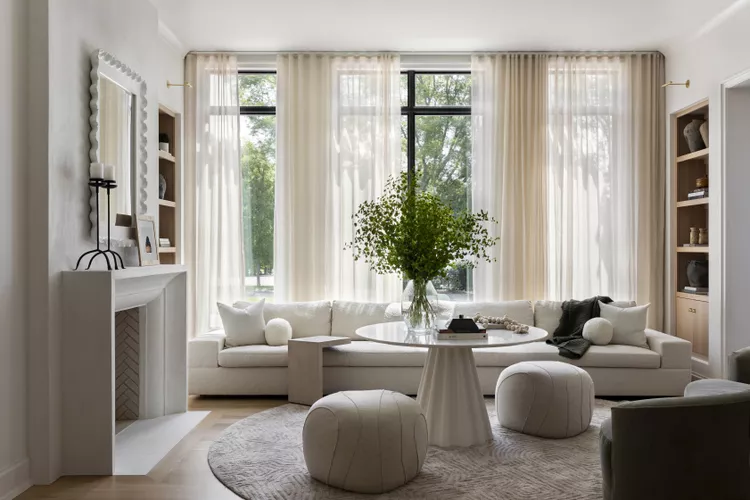
Minimalist Living Room Décor Ideas Create a Calm, Stylish, and Clutter-Free Space
Minimalism isn’t about making your living room look empty or boring. It’s about creating a space where every piece has a purpose and nothing feels excessive. Think of it as giving your room a deep breath.
Whether you live in a compact apartment or a spacious house, minimalist living room décor can make your home feel brighter, calmer, and more organized. The best part? You don’t need to spend a fortune or completely redesign your space.
From neutral colors and simple furniture to smart storage and natural textures, small changes can make a surprisingly big difference. So, how can you create a minimalist living room that still feels warm and inviting? Let’s explore some practical ideas.
1. Start With a Neutral Color Palette
Color sets the mood of a room. For minimalist décor, neutral shades are usually the easiest place to start.
Think about:
- White
- Cream
- Beige
- Warm gray
- Soft taupe
- Light brown
- Muted earthy tones
You don’t have to make everything pure white. In fact, too much white can sometimes make a living room feel cold. Instead, combine different neutral shades to create depth.
For example, pair a cream-colored sofa with beige curtains, a light wooden coffee table, and a soft gray rug. The result feels simple without looking flat.
If you want a little contrast, add black, charcoal, or deep brown through small decorative details.

2. Choose Furniture With Clean Lines
Minimalist furniture usually has a simple silhouette without excessive decoration. Look for sofas, chairs, coffee tables, and cabinets with clean lines and uncomplicated shapes.
A low-profile sofa can instantly create a modern appearance. Pair it with a simple rectangular or round coffee table rather than choosing several small tables.
Here’s a useful rule: choose quality over quantity.
Instead of filling your living room with five different seating options, invest in one comfortable sofa and perhaps one attractive accent chair. Give each piece enough breathing room.
Your furniture should feel like it belongs in the room—not like it was squeezed into every available corner.
3. Embrace the “Less Is More” Philosophy
This is probably the most important minimalist living room idea.
Before adding another decoration, ask yourself: Does this actually improve the room?
If the answer is no, leave it out.
You don’t need a shelf packed with souvenirs, ten cushions on the sofa, or dozens of decorative objects on your coffee table. A few carefully selected items can have much more visual impact.
Try removing unnecessary objects first. You might be surprised by how much larger and more peaceful your living room suddenly feels.
Minimalism is a little like editing a photograph. Sometimes removing something makes the final picture stronger.

4. Add Warmth With Natural Materials
A minimalist room doesn’t have to feel sterile. Natural materials can add warmth, texture, and personality without creating visual clutter.
Consider incorporating:
- Light or medium-toned wood
- Linen
- Cotton
- Wool
- Rattan
- Jute
- Stone
- Ceramic
A wooden coffee table can soften a modern sofa. A woven rug can make a neutral room feel cozier. Linen curtains can introduce texture while maintaining the clean aesthetic.
The key is balance. Rather than using lots of decorative objects, let the materials themselves become part of the décor.
5. Keep the Walls Simple
Bare walls can actually be beautiful.
Instead of covering every wall with artwork, choose one or two pieces that genuinely complement the room. A large abstract print, minimalist landscape, black-and-white photograph, or simple line drawing can work beautifully.
You can also create a small gallery wall, but keep the frames and color palette consistent.
Another option is to leave most walls empty and use one large statement artwork as the focal point.
Remember, negative space is not wasted space. It gives your eyes somewhere to rest.
6. Use Smart and Hidden Storage
Clutter is one of the biggest enemies of minimalist décor. Fortunately, you can keep everyday items organized without constantly putting everything away.
Choose furniture that provides hidden storage, such as:
- Storage ottomans
- TV cabinets with closed doors
- Coffee tables with drawers
- Built-in shelving
- Storage baskets
- Minimalist sideboards
Closed storage is particularly useful because it keeps visual distractions out of sight.
For open shelves, resist the temptation to fill every inch. Leave some empty space between books, plants, artwork, and decorative objects.
A shelf should look curated, not crowded.
7. Bring Nature Indoors With Plants
Want to make a minimalist living room feel alive? Add a plant.
Greenery provides a natural pop of color without overwhelming a neutral interior. A large floor plant can become a beautiful focal point, while smaller plants can work on shelves or side tables.
Popular choices include snake plants, pothos, rubber plants, and fiddle-leaf figs, depending on your lighting and ability to care for them.
If you don’t have much natural light, choose plants that tolerate lower-light conditions.
And remember, you don’t need a jungle. One large, healthy plant can have more impact than ten tiny pots scattered around the room.
8. Let Natural Light Do the Decorating
Natural light can transform minimalist interiors.
Whenever possible, keep windows clear and avoid heavy curtains that block sunlight. Lightweight linen or cotton curtains can provide privacy while still allowing plenty of daylight into the room.
Arrange furniture so it doesn’t unnecessarily block windows.
Mirrors can also help reflect light and make a room appear more spacious. Place a large mirror opposite or near a window to bounce natural light around the room.
During the evening, use warm, layered lighting instead of relying entirely on one bright ceiling fixture.
A floor lamp, table lamp, or subtle wall light can make the room feel much more comfortable after sunset.
9. Create a Cozy Minimalist Seating Area
Minimalism shouldn’t mean sacrificing comfort.
Your living room should still be somewhere you want to relax after a long day. Add softness through a textured rug, a couple of cushions, and a cozy throw.
The trick is restraint.
Choose cushions in complementary neutral shades rather than using lots of contrasting patterns. A knitted throw casually placed over the sofa can add warmth without creating clutter.
You can also position your furniture to encourage conversation. Rather than pushing every piece against the wall, consider creating a central seating arrangement around the coffee table.
10. Add One Memorable Statement Piece
A minimalist living room can still have personality.
Choose one item that catches attention—a sculptural chair, oversized artwork, distinctive coffee table, vintage lamp, or beautiful ceramic piece.
Instead of competing with several decorative objects, allow this piece to stand on its own.
For example, imagine a simple beige sofa, wooden flooring, a neutral rug, and one oversized piece of abstract artwork above the sofa. The room feels sophisticated because the statement piece has room to breathe.
Common Minimalist Décor Mistakes to Avoid
Creating a minimalist living room sounds easy, but there are a few traps worth avoiding.
First, don’t confuse minimalism with emptiness. A room with no personality can feel unfinished rather than stylish.
Second, don’t buy everything in the same color. Different textures and subtle shades create visual interest.
Third, avoid purchasing furniture simply because it looks trendy. Your living room should work for your lifestyle.
Finally, don’t try to make everything perfectly symmetrical. A little asymmetry can make a minimalist room feel more natural and relaxed.
Final Thoughts on Minimalist Living Room Décor
Creating a minimalist living room isn’t about following strict rules or throwing away everything you own. It’s about being intentional. Choose pieces you love, remove unnecessary clutter, embrace natural materials, and give your favorite items enough space to shine.
Start small. Clear the coffee table, simplify the shelves, rearrange your furniture, and introduce a few warm textures. You don’t need a complete makeover to create a calmer atmosphere.
Ultimately, the best minimalist living room is one that feels peaceful, functional, and unmistakably yours. When every element has a reason to be there, your home can feel less crowded—and your mind might feel a little lighter too.
Related Posts :






Share This Post