Air India Crash May Trigger $475 Million Insurance Claims: Everything You Need to Know About Aviation Insurance in India
Air India Crash May Trigger $475 Million Insurance Claims
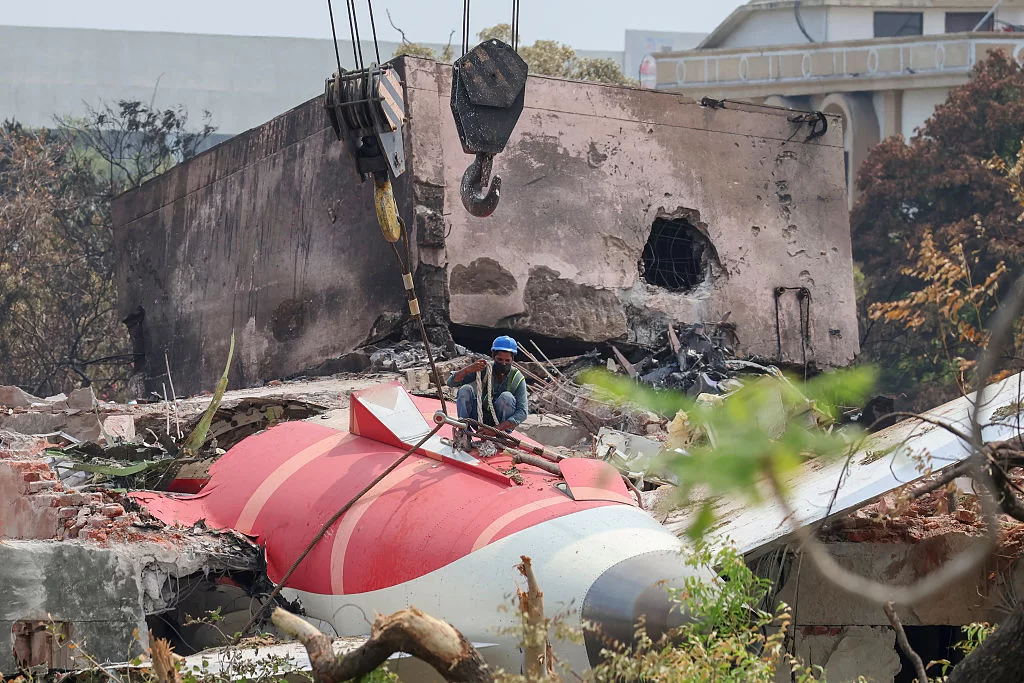
Air India Crash May Trigger $475 Million Insurance Claims: India is grappling with one of its worst aviation tragedies in over a decade, as the recent Air India crash is projected to result in insurance claims of up to $475 million. This devastating incident, which claimed hundreds of lives including passengers, crew members, and people on the ground, is not just a human tragedy but also a significant financial event for the aviation insurance industry. According to Ramaswamy Narayanan, Chairman and Managing Director of the General Insurance Corporation of India (GIC Re), this could be “one of the biggest aviation insurance claims in India’s history.”
The crash has drawn attention to the layered complexities of aviation insurance, especially in India, where the commercial aviation sector has expanded rapidly over the years. Large carriers like Air India rely on multi-tiered insurance policies involving domestic and international reinsurers to mitigate risk. When such a large-scale accident occurs, insurance firms face massive payouts covering everything from aircraft damage and third-party liabilities to passenger compensation under global conventions like the Montreal Convention.
This incident is expected to have long-term implications on aviation insurance premiums in India. Experts predict a significant rise in rates, particularly for government-owned carriers. Furthermore, the tragedy also highlights the need for individual travel and flight accident insurance coverage for passengers, ensuring financial protection for families in the wake of such catastrophes. Let’s explore how aviation insurance works in India, who can apply, its benefits, and other essential details.
What Is Aviation Insurance and Who Can Apply?
Overview of Aviation Insurance
Aviation insurance is a specialized policy that offers financial protection against risks associated with aviation operations, including aircraft damage, passenger injury or death, and third-party property damage. In India, both airlines and individual travelers can obtain aviation-related insurance.
Who Can Apply?
- Commercial airlines like Air India, IndiGo, and SpiceJet
- Charter operators and private jet owners
- Cargo and logistics companies
- Airport operators and maintenance firms
- Individual travelers and frequent flyers
- Pilots and crew members
- Travel insurance customers opting for accident coverage
Also read: Flight Accident Insurance Coverage FAQs: All You Need to Know

Insurance Fees: What Are the Costs?
The insurance premiums in aviation vary widely depending on several factors:
- Type and value of aircraft
- Age and maintenance record
- Number of passengers
- Flight routes (domestic vs international)
- Coverage limits and deductibles
- Claim history of the insured entity
Estimated Premium Ranges:
| Policy Type | Approx. Annual Premium |
|---|---|
| Commercial Airline Coverage | ₹50 crore – ₹200 crore |
| Private Aircraft | ₹10 lakh – ₹2 crore |
| Travel Accident Insurance (per trip) | ₹99 – ₹499 |
| Crew and Pilot Liability Cover | ₹25,000 – ₹1 lakh |
Post the Air India crash, a 10-15% hike in premiums is expected across the board.
How to Use Aviation Insurance & Its Benefits
How to Use
- Report the incident to the insurer within the stipulated time.
- Submit necessary documents like tickets, boarding passes, and proof of identity.
- File compensation claims under accident, death, or baggage loss clauses.
- For airlines, notify the Directorate General of Civil Aviation (DGCA) and insurance brokers immediately.
Benefits
- Financial protection against aircraft damage
- Passenger liability coverage (under international conventions)
- Personal accident coverage for travelers
- Legal expense coverage
- Ground handling and maintenance risk cover
- Third-party property and bodily injury coverage
- Employee or crew accident compensation

How to Apply for Flight Accident Insurance
For Travelers:
- Visit travel aggregator sites (MakeMyTrip, Cleartrip, IRCTC).
- Choose insurance coverage while booking the flight.
- Or buy standalone policies from insurers like Tata AIG, ICICI Lombard, or Bajaj Allianz.
For Airlines:
- Contact insurance brokers like Marsh India or Willis Towers Watson.
- Submit operational and financial records.
- Undergo risk assessments and inspections.
- Sign the reinsurance agreements with firms like GIC Re or Lloyd’s.
Important Dates
- Air India Crash Date: June 2025 (exact date pending official confirmation) Air India Official Website
- Estimated Claim Finalization Timeline: Within 3–6 months post-investigation
- Premium Hike Impact Date: Effective from Q4 2025 policy renewals
- Montreal Convention Compensation Window: Within 2 years of incident
Disclaimer
The information provided in this article is for general knowledge and awareness purposes. Specific terms and conditions, coverage limits, and procedures may vary depending on the insurance company and policy type. Please consult your insurance provider or broker for tailored advice. This article does not substitute for legal or financial consultation.
Air India Crash May Trigger $475 Million Insurance Claims Conclusion
The $475 million insurance claim following the Air India crash serves as a stark reminder of the scale and seriousness of aviation risks. For the aviation industry, it represents not just a massive financial impact but a moment of reckoning—forcing airlines, regulators, and insurers to re-evaluate their risk management frameworks.
From a passenger’s point of view, this disaster underscores the importance of individual flight accident insurance, which can provide crucial financial assistance to grieving families in the aftermath of such tragedies. Though many travelers overlook optional insurance, events like these make the case for opting in stronger than ever.
India’s aviation sector is poised for growth, but this tragic event will likely prompt stricter insurance norms, premium hikes, and greater international scrutiny on how aviation insurance operates in the country. While the financial repercussions may take months to resolve, the emotional toll will last for years.
As investigations continue and claims are processed, this incident could bring about significant changes in how aviation safety and insurance are viewed in India, possibly leading to reforms that make air travel even safer and more accountable.
Air India Crash May Trigger $475 Million Insurance Claims FAQs
1. What is the estimated insurance claim from the Air India crash?
The estimated insurance claim is around $475 million, which includes aircraft loss, third-party damage, and compensation for passengers and ground victims. This would be one of the largest aviation insurance claims in Indian history.
2. Who pays for such large-scale aviation insurance claims?
Aviation insurance claims are covered through a layered system involving:
- The airline’s primary insurer
- Domestic reinsurers like GIC Re
- Global reinsurers such as Lloyd’s of London
Each layer absorbs a portion of the total liability based on pre-agreed contracts.
3. What compensation is a passenger’s family entitled to under the Montreal Convention?
Under the Montreal Convention, families are entitled to up to 113,100 SDRs (Special Drawing Rights), which is approximately ₹1.2 crore per passenger, depending on the SDR-rupee exchange rate. Airlines can’t contest liability below this limit.
4. Can individual travelers buy aviation accident insurance in India?
Yes, individual travelers can buy flight accident insurance either when booking tickets or through standalone policies. These typically cover accidental death, hospitalization, baggage loss, and flight delays.
5. Will flight ticket prices increase due to this insurance payout?
It’s likely. As insurers increase premiums for airlines, those costs may be passed on to passengers in the form of slightly higher ticket fares, especially on routes served by government carriers or those operating older aircraft.
Related Posts :






Share This Post