Best Medicare Supplement Insurance in 2025

Best Medicare Supplement Insurance in 2025
Best Medicare Supplement Insurance in 2025: When it comes to choosing the right healthcare coverage after retirement, Medicare Supplement Insurance, also known as Medigap, becomes a critical component for managing out-of-pocket costs not covered by Original Medicare. As healthcare costs continue to rise, seniors are seeking the best Medigap plans to avoid surprise medical bills and ensure uninterrupted access to healthcare. Based on comprehensive research by Investopedia and other trusted sources, AARP/UnitedHealthcare stands out as the best overall provider, with strong financial backing, high customer satisfaction, and an impressive range of plans to meet diverse needs.
Medicare Supplement plans help pay for copayments, coinsurance, and deductibles that Original Medicare (Part A and Part B) does not cover. They are standardized into different lettered plans (Plan A, B, C, D, F, G, K, L, M, and N), but what differentiates insurers is their pricing, service, extra features, and digital tools. Some providers, like Anthem, offer some of the lowest premium rates in certain states, while others like State Farm shine in customer satisfaction and financial reliability. Blue Cross Blue Shield offers a wide variety of plan options, including the highly sought-after Plan F, where available.
Choosing a Medigap plan is not a one-size-fits-all decision. It depends on your personal health needs, budget, and future expectations. Whether you prioritize the lowest monthly premium, comprehensive coverage, or the strongest customer service support, there are plans tailored for you. This guide will cover the top Medigap insurers, who can apply, typical insurance fees, how to benefit from Medigap, how to apply, key dates, and more to help you make an informed decision for 2025 and beyond.
Best Medicare Supplement Insurance Providers in 2025
1. Best Overall, Best Plan G: AARP/UnitedHealthcare
- Offers robust Plan G, ideal for comprehensive coverage.
- High customer satisfaction ratings.
- Access to a large network of healthcare providers.
- Digital tools for easy claims and member support.
- Available in all 50 states.
2. Lowest Cost: Anthem
- Competitive pricing in multiple regions.
- Simplified plan structures for easy comparison.
- User-friendly app and online portal.
- Ideal for budget-conscious retirees.
3. Most Plan Types, Best Plan F: Blue Cross Blue Shield
- Offers a wide variety of plans (A-N).
- Strong national network and customer base.
- Excellent coverage with Plan F (available to those eligible before 2020).
- Trusted brand recognition.
4. Best for Financial Strength & Customer Satisfaction: State Farm
- Highly rated for financial stability.
- Top customer service and low complaint ratio.
- Tailored plans for various health needs.
- Simple application process with agent support.
5. Best High-Deductible Plan G: Humana
- Excellent for healthy seniors wanting to save on premiums.
- Offers High-Deductible Plan G which reduces monthly costs.
- Value-added services like wellness programs.
- Flexible digital tools and mobile app support.

Who Can Apply for Medicare Supplement (Medigap) Insurance?
To apply for a Medigap plan, you must:
- Be enrolled in Original Medicare Part A and Part B.
- Be 65 years or older, although some states allow those under 65 with disabilities to apply.
- Reside in the state where the insurance plan is offered.
- Not already enrolled in a Medicare Advantage Plan (Part C).
Medigap is designed to complement Original Medicare, so you cannot use it with Medicare Advantage. The best time to apply is during the Medigap Open Enrollment Period, which starts the month you’re 65 and enrolled in Medicare Part B. During this period, you can buy any Medigap policy sold in your state without medical underwriting.
Also read: Is Travel Insurance Worth It in 2025
Insurance Fees and Pricing Details
The cost of Medigap plans varies depending on several factors:
- Plan Type (e.g., Plan G usually costs more than Plan A).
- Location (state and zip code).
- Age and Gender.
- Tobacco Use.
- Community-rated, issue-age-rated, or attained-age-rated pricing models.
| Plan Type | Monthly Premium (Estimated) |
|---|---|
| Plan G (AARP/UHC) | $120 – $180 |
| High-Deductible Plan G (Humana) | $40 – $65 |
| Plan F (BCBS) | $150 – $200 |
| Plan N (Anthem) | $80 – $140 |
These are average national estimates. Actual costs vary by state and provider.

How to Use Your Medigap Plan
Once enrolled:
- Visit any doctor or hospital that accepts Medicare.
- Medicare will pay its share of the approved costs.
- Your Medigap policy will cover its share (e.g., copayments, deductibles).
- Use your Medigap insurance card along with your Medicare card.
Medigap doesn’t cover:
- Long-term care
- Vision or dental
- Hearing aids
- Private-duty nursing
- Prescription drugs (You’ll need a separate Part D plan for this.)
How to Benefit from Medigap Coverage
- Peace of Mind: Reduce unexpected healthcare costs.
- Predictable Expenses: Easier to manage finances with fixed premiums.
- Nationwide Access: Use it anywhere Medicare is accepted.
- No Network Restrictions: See any Medicare-accepting provider.
- Guaranteed Renewable: Even with health issues, your plan can’t be canceled as long as you pay premiums.
How to Apply for Medigap Insurance
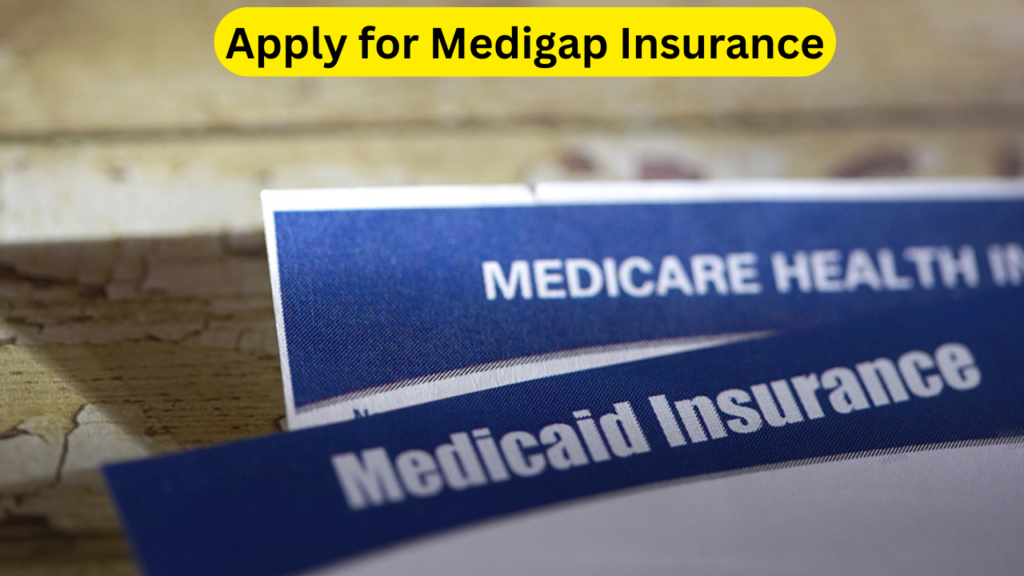
Steps:
- Compare plans using the Medicare Plan Finder.
- Select a plan and provider based on coverage, cost, and ratings.
- Contact the insurer directly or work with a licensed agent.
- Complete the application—online, by phone, or in person.
- Wait for approval and receive your Medigap ID card.
Tip: Apply during your Open Enrollment Period to avoid health screenings and get the best rates.
Important Dates for 2025
| Event | Date |
|---|---|
| Medigap Open Enrollment Starts | First month you’re 65 and enrolled in Part B |
| Medicare General Enrollment | Jan 1 – Mar 31, 2025 |
| Medicare Advantage Open Enrollment | Jan 1 – Mar 31, 2025 |
| Annual Open Enrollment | Oct 15 – Dec 7, 202 |
Disclaimer
Medigap insurance policies are standardized, but availability and pricing vary by state and provider. This article is intended for informational purposes only and does not substitute professional financial or health insurance advice. Always consult with a licensed Medicare advisor or broker before making enrollment decisions.
Best Medicare Supplement Insurance in 2025 Conclusion
Choosing the best Medicare Supplement (Medigap) insurance in 2025 is about more than just price—it’s about finding the right blend of coverage, flexibility, and support. AARP/UnitedHealthcare continues to lead the industry with its outstanding Plan G, but Anthem, Blue Cross Blue Shield, State Farm, and Humana all bring unique strengths to the table, depending on your personal needs.
Understanding who can apply, the associated costs, and the steps for enrollment will help you make the right decision without confusion. With the right Medigap plan, you can secure your health and financial future, knowing that you’re protected against unforeseen medical expenses.
Remember, the Medigap Open Enrollment Period is a golden window of opportunity—use it wisely. If you’re unsure about your choices, speak to a Medicare expert or use Medicare.gov’s tools to simplify your decision.
As 2025 unfolds, don’t let healthcare costs surprise you. Be proactive, compare wisely, and choose a plan that truly fits your retirement lifestyle. The peace of mind that comes with comprehensive Medigap coverage is invaluable.
Best Medicare Supplement Insurance in 2025 FAQs
1. What is the difference between Medicare Advantage and Medigap?
Medicare Advantage (Part C) is an all-in-one alternative to Original Medicare, often with limited networks and extra benefits like vision and dental. Medigap, on the other hand, supplements Original Medicare by covering out-of-pocket costs like deductibles and copays. You can’t have both simultaneously.
2. Is Medigap Plan F still available in 2025?
Plan F is only available to those who became eligible for Medicare before January 1, 2020. If you were eligible before then, you can still apply. New enrollees must choose alternatives like Plan G.
3. Can I be denied Medigap coverage for pre-existing conditions?
During your Medigap Open Enrollment Period, insurers cannot deny coverage or charge higher premiums due to pre-existing conditions. After this period, medical underwriting may apply.
4. Do Medigap plans cover prescription drugs?
No, Medigap plans do not include prescription drug coverage. You need to enroll in a separate Medicare Part D plan for that.
5. Can I switch Medigap plans later?
Yes, but outside your Open Enrollment Period, switching may involve medical underwriting and you may be denied or charged more based on your health status. Always consult with an advisor before switching.
Related Posts :





Share This Post