Health Insurance in Crisis: Rising Premiums, Delayed Claims & Diminishing Trust – Are You Still Covered?

Health Insurance in Crisis
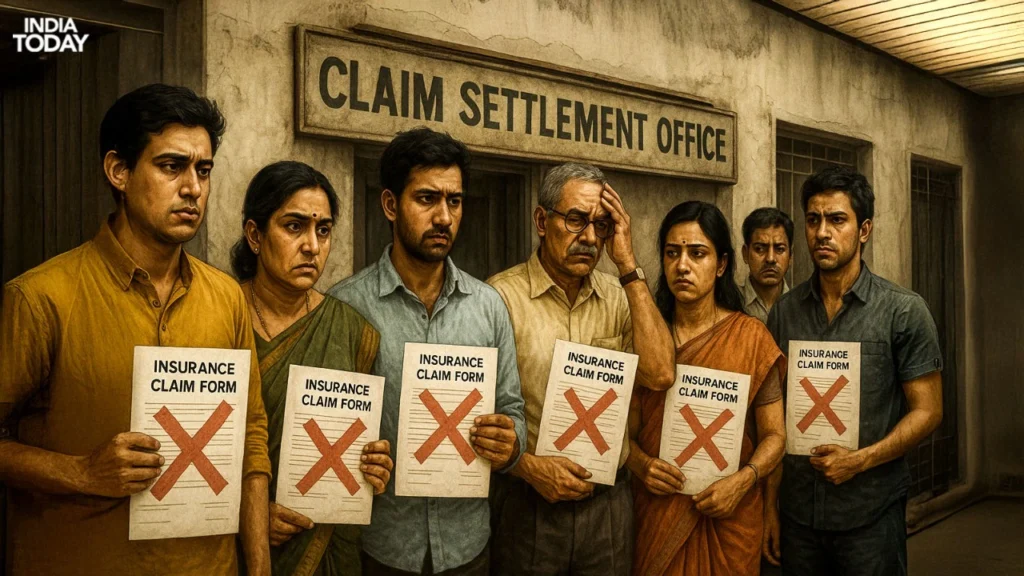
Health Insurance in Crisis: In recent years, health insurance—once seen as a safety net—has morphed into a complex, expensive, and sometimes unreliable product. Once marketed with emotionally resonant slogans like “Sar Utha Ke Jiyo”, insurance promised peace of mind, protection from life’s uncertainties, and dignity even in the face of adversity. However, in today’s volatile healthcare environment, that comforting shield appears to be cracking. A staggering number of policyholders are now confronting long claim delays, rejections, rising premiums, and out-of-pocket expenses, leaving them feeling more vulnerable than ever.
Health insurance, which was once considered optional, is now essential due to escalating medical costs. A basic hospitalization can set families back by lakhs of rupees, pushing many into debt. However, despite having active policies, many are discovering that getting reimbursed is no easy feat. Hospitals are turning into battlegrounds, not just for treating illness but also for settling claims. A LocalCircles survey revealed that nearly 50% of policyholders who filed claims in the past three years faced significant hurdles, such as rejections, partial settlements, or long discharge delays.
This grim scenario is prompting individuals to rethink their healthcare financing strategies. While some continue to pay higher premiums hoping for better future coverage, others are scaling back their insurance or opting out altogether. With inflation outpacing salary growth and medical expenses skyrocketing, the real question remains: Are people getting the protection they’re paying for? This article explores the critical aspects of health insurance in India, eligibility, how to apply, and how to navigate the complex system.
Who Can Apply for Health Insurance?
Health insurance is available to a wide range of individuals and families. Here’s who can apply:
Eligibility Criteria:
- Individuals aged 18 to 65 years can apply for most health insurance plans.
- Senior citizen plans are available for those aged 60+.
- Children can be covered under family floater plans from as early as 90 days old.
- People with pre-existing conditions may face a waiting period but are still eligible.
- NRIs can also apply for certain plans, depending on provider terms.
Also read: What Does Travel Insurance Really Cover? Here’s What Travellers Need To Know In 2025

Health Insurance Fees: Premiums & Charges
Health insurance is becoming more expensive. Here are the current cost trends:
Average Annual Premiums:
| Plan Type | Premium (INR/year) |
|---|---|
| Individual (Age 30) | ₹6,000 – ₹12,000 |
| Family Floater (2A+2C) | ₹15,000 – ₹35,000 |
| Senior Citizens | ₹25,000 – ₹60,000+ |
- Add-on Riders (maternity, critical illness): ₹1,000 – ₹5,000 extra.
- GST at 18% significantly increases the effective cost.
- Premiums increase with age, existing illnesses, or claim history.
How to Use Health Insurance: Step-by-Step
Getting the most out of your health insurance involves planning and awareness.
Steps to Use Your Policy:
- Know your coverage: Read the fine print of your policy, including inclusions and exclusions.
- Cashless hospital list: Always choose hospitals from the insurer’s cashless network.
- Inform your insurer: In case of hospitalization, notify the insurance company or TPA within 24 hours.
- Documents needed: Provide hospital bills, discharge summary, prescriptions, and reports.
- Claim types:
- Cashless Claims: Direct settlement with network hospitals.
- Reimbursement Claims: You pay first, then claim later.

Benefits of Health Insurance
Despite challenges, health insurance still offers key advantages when managed wisely.
Top Benefits:
- Cashless treatment at network hospitals.
- Tax benefits under Section 80D of the Income Tax Act.
- No Claim Bonus (NCB): Discounted premiums or extra coverage for claim-free years.
- Coverage for pre- and post-hospitalization, ambulance costs, and daycare procedures.
- Access to better healthcare without immediate financial stress.
How to Apply for Health Insurance
Applying for a health insurance policy has become simple with digital platforms.
Steps to Apply:
- Visit the official website of a trusted insurer or aggregator (e.g., Policybazaar, Niva Bupa, HDFC ERGO).
- Compare plans based on age, family size, sum insured, and benefits.
- Fill in your personal and health details accurately.
- Upload KYC documents (Aadhaar, PAN, photo, address proof).
- Choose your policy and make the payment online.
- Some plans may require a medical test. Niva Bupa Official Website
- Once approved, download the e-policy and keep a printed copy.
Important Dates to Remember
| Event | Details |
|---|---|
| Policy Renewal | Usually annual – don’t miss it |
| Grace Period | 15-30 days post renewal due date |
| Waiting Period for Pre-Existing | 1–4 years depending on plan |
| Claim Intimation Deadline | Within 24 hours of hospitalization |
| Free Look Period | 15 days to cancel if unsatisfied |
Disclaimer
This article provides general information about health insurance in India. Before purchasing any policy, consult with a certified insurance advisor or visit the official website of the insurance company. Coverage terms, exclusions, and premiums may vary depending on the insurer and applicant profile.
Health Insurance in Crisis Conclusion
In a time when medical inflation is skyrocketing and incomes remain stagnant, health insurance should offer peace of mind—not additional stress. Unfortunately, for many policyholders, the promise of security has turned into a frustrating maze of paperwork, rejections, and fine print. The fundamental goal of insurance—financial protection in a crisis—seems to be slipping away as policyholders battle over claims and watch premiums shoot up year after year.
However, this does not mean health insurance should be abandoned altogether. Instead, the system needs reform—greater transparency, faster claim processing, and accountability for insurers. Policyholders too must stay informed, read their policy terms thoroughly, and track hospital tie-ups and past claim experiences.
Choosing the right policy from a reputable provider, understanding what’s covered, and being aware of how to claim benefits are now more important than ever. Do your homework, consult advisors, and keep every receipt and report organized. Prevention, preparation, and persistence are the new tools of financial survival.
Ultimately, health insurance is still a vital tool—but it works best for those who understand how to use it and stay proactive. In today’s climate, it’s not just about being insured—it’s about being informed and prepared.
Health Insurance in Crisis FAQs
1. Why are health insurance premiums rising so fast in India?
Premiums are increasing due to rising hospitalization costs, medical inflation, more complex treatments, and higher claim ratios. Insurers adjust premiums annually based on these risks and their payouts.
2. What should I do if my claim is delayed or rejected?
First, contact the insurer’s customer support. If unresolved, escalate to the Insurance Ombudsman or file a grievance with IRDAI. Keep all documents, including bills and correspondence, to support your case.
3. Is cashless hospitalization better than reimbursement?
Yes, cashless hospitalization is generally smoother since the insurer settles bills directly with the hospital. It reduces out-of-pocket costs, but it’s only available at network hospitals.
4. Can I switch my insurer if I’m unhappy with service or premium?
Yes, you can port your policy to another insurer during renewal. Ensure you do it 45 days before renewal and confirm your new insurer honors your continuity benefits (like waiting period waivers).
5. Are there any hidden charges or exclusions in health insurance?
Most policies have exclusions like cosmetic surgery, dental work, or certain diseases for a waiting period. Always read the policy brochure carefully, and check for room rent limits, co-payment clauses, and sub-limits.
Related Posts :






Share This Post