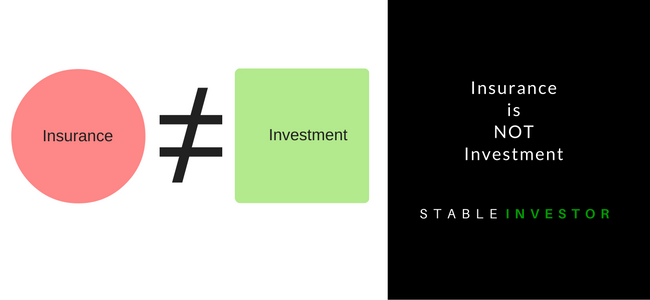
Insurance Is a Risk Cover and Not an Investment: Don’t Confuse the Two

Insurance Is a Risk Cover and Not an Investmen
Insurance Is a Risk Cover and Not an Investment: Insurance is often misunderstood in personal finance. Many individuals view it as a form of investment, expecting returns and wealth creation from it. However, the fundamental purpose of insurance is risk coverage, not wealth accumulation. This misunderstanding can lead to poor financial planning and jeopardize future goals. Vihaan Gupta, a 30-year-old professional, illustrates a common mindset. Despite having a Rs.15 lakh life insurance policy from five years ago, he assumes it is sufficient for his future, including marriage and starting a family. He also believes a simple top-up would suffice. This thinking may put his long-term financial security and his family’s well-being at risk.
The reality is, insurance is a financial safety net. It’s designed to provide financial protection in case of unforeseen events like death, illness, or accidents. Investments, on the other hand, are meant to grow wealth over time and achieve long-term financial goals. Mixing the two could result in inadequate protection when it is most needed. Vihaan is doing well by planning for his life goals such as retirement, home buying, and travel. However, these plans rely heavily on his ability to earn consistently. Any interruption in his income due to death, disability, or serious illness could derail these aspirations, especially if his insurance is insufficient.
At this life stage, when Gupta is planning to get married and start a family, revisiting his insurance portfolio is crucial. A term life insurance policy, which is a pure risk cover, is more suitable than traditional endowment or ULIP policies that mix insurance with investment. Term insurance offers higher coverage at lower premiums, ensuring his family is financially secure in his absence. He must also factor in inflation, number of dependents, and future lifestyle costs when determining the sum assured. This approach ensures that his family’s needs are met even if something unfortunate happens to him.
Who Should Apply for Insurance?
Insurance is not optional, especially for:
- Working professionals with financial dependents
- Married individuals or those planning marriage
- Parents with children or elderly dependents
- Self-employed or business owners without income protection
- Young individuals seeking early health or life cover at lower premiums
By applying early, individuals can lock in lower premiums, enjoy wider coverage, and avoid exclusions that come with age or health complications.

Insurance Premiums and Fee
The cost of insurance depends on:
- Type of policy (term, health, accident, etc.)
- Age and health status of the insured
- Coverage amount and tenure
- Riders added to the base plan
For example:
| Insurance Type | Premium (Approx.) | Coverage |
|---|---|---|
| Term Life Insurance | ₹500/month (for ₹1 Cr cover) | Death benefit |
| Health Insurance | ₹5,000/year (individual) | Hospitalisation and treatment |
| Personal Accident Plan | ₹1,200/year | Accidental death and disability |
Always compare quotes online and understand policy terms before finalizing.
How to Use Insurance Wisely
To gain the full benefits of insurance:
- Choose appropriate plans for your life stage and dependents.
- Review your policies annually, especially after major life events (marriage, childbirth, new job).
- Buy standalone policies for life, health, and accidents instead of combo plans.
- Avoid mixing insurance with investment, unless your goals align with the structure.
- Use riders (like critical illness, accidental disability) for comprehensive coverage.
Benefits of Having Adequate Insurance
- Financial security for family in case of death
- Income replacement during temporary or permanent disability
- Protection against medical emergencies without depleting savings
- Peace of mind knowing risks are covered
- Lower financial burden in the long term
Insurance prevents wealth erosion during crises and allows investments to grow uninterrupted.
How to Apply for Insurance
Step-by-Step Process:
- Assess your needs based on income, dependents, and financial goals.
- Compare plans online on platforms like Policybazaar, Coverfox, or insurer websites.
- Use a premium calculator to determine cost.
- Fill in the application form with accurate personal and medical details.
- Undergo medical tests if required. Policybazaar Insurance Portal
- Pay the premium online and receive digital policy documents.
Ensure to read the fine print and disclosure terms to avoid claim rejection.
Important Dates to Keep in Mind
| Event | Timeline |
|---|---|
| Policy Renewal | Annually or as per tenure |
| Grace Period for Payment | Usually 15–30 days post due date |
| Free-look Cancellation | Within 15–30 days of policy issue |
| Waiting Period for Claims | Health/critical illness: 30–90 days |
Disclaimer
This article is for informational purposes only. Insurance needs vary for every individual based on personal and financial conditions. Readers are advised to consult certified financial advisors or insurance agents before purchasing any policy. The premiums mentioned are indicative and may vary depending on the insurer, applicant’s age, health, and other factors.
Insurance Is a Risk Cover and Not an Investment Conclusion
Insurance should always be viewed as a financial safeguard, not a way to earn returns. Individuals like Vihaan Gupta must realize that as life progresses, so do financial responsibilities. Merely relying on an old insurance policy might leave dependents vulnerable during crises. Evaluating and upgrading your insurance coverage with every major life change is essential.
Health and personal accident insurance are often overlooked until it’s too late. A single medical emergency can wipe out years of savings or plunge families into debt. Investing in health insurance early guarantees access to quality healthcare without financial strain. Similarly, personal accident insurance shields against loss of income due to unforeseen accidents.
Moreover, having the right insurance strategy ensures that long-term goals like buying a house or retirement planning remain on track. Instead of relying on savings for emergencies, insurance allows investments to continue compounding. This division between insurance and investments creates a resilient financial plan.
In conclusion, every working individual, whether salaried or self-employed, must prioritize separate risk coverage and investment strategies. Buying term insurance, health insurance, and accident cover should be the first steps toward securing your family’s future. Don’t fall for insurance plans that promise high returns—focus on coverage, not profit.
Insurance Is a Risk Cover and Not an Investment FAQs
1. Why is term insurance better than endowment plans?
Term insurance provides pure life cover at a much lower premium compared to endowment or ULIP plans. Endowment mixes insurance with investment, offering lower coverage and lower returns. In contrast, term insurance focuses solely on financial protection in case of death, which is crucial for dependents.
2. Is it okay to have only one insurance policy for life?
Not always. As your income and responsibilities grow, so should your coverage. One policy taken years ago may no longer provide adequate protection. It’s important to review and upgrade your insurance regularly, especially during milestones like marriage, childbirth, or taking loans.
3. What happens if I miss paying my insurance premium?
Most insurance policies come with a grace period of 15–30 days. If payment isn’t made within this time, the policy may lapse. A lapsed policy can result in loss of coverage, and in some cases, you may have to reapply or undergo fresh underwriting.
4. Why should young people buy insurance early?
Premiums are significantly lower at a younger age, and there are fewer health-related exclusions. You also complete the waiting period (in health plans) when you are less likely to need hospitalization. Starting early ensures continuous coverage at a lower cost.
5. Is health insurance necessary if I am healthy and single?
Yes. Medical emergencies are unpredictable, and treatment costs are rising. Having health insurance early ensures you’re covered even before lifestyle diseases set in. Additionally, buying while young means lower premiums and fewer exclusions due to pre-existing conditions.
Related Posts :





Share This Post