They Knew My Policy Number: The Rise of Fake Insurance Agents and How to Spot Them
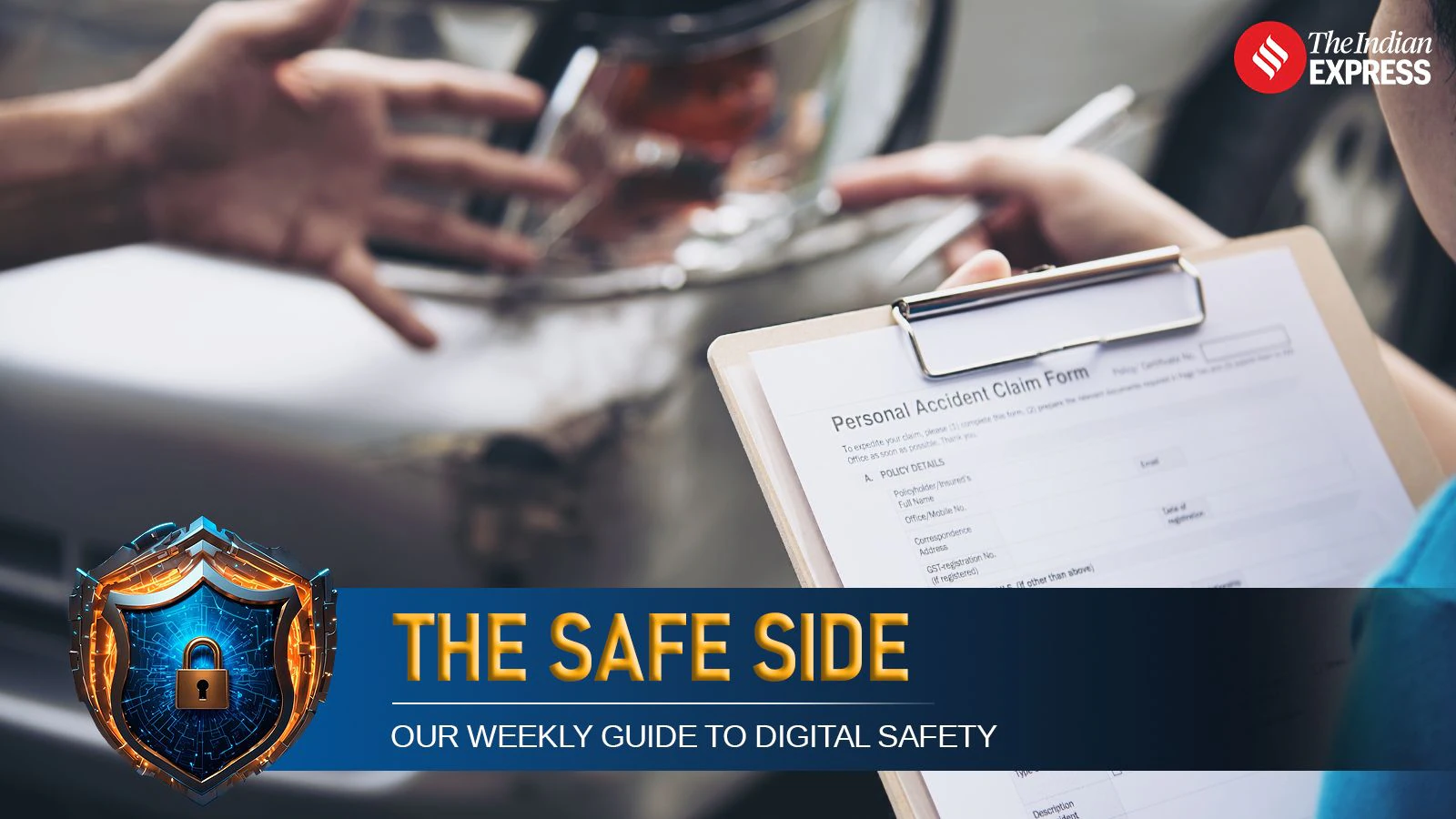
They Knew My Policy Number
They Knew My Policy Number: In today’s hyper-connected world, digital threats are becoming more sophisticated and convincing. One alarming trend sweeping across India is the emergence of fake insurance agents posing as representatives of reputed insurance companies. These fraudsters are not just making random guesses — they often come armed with precise personal details like your full name, registered address, policy number, and even your date of birth. Their knowledge makes them sound legitimate, leaving unsuspecting policyholders vulnerable to manipulation and financial loss.
One such case recently came to light in Telangana, where a man received a call from someone pretending to be an agent from his existing insurer. The scammer spoke professionally and requested personal identification under the pretense of verifying whether the policyholder was still alive — a legitimate-sounding reason to ask for a photo holding a phone displaying the date and time, along with Aadhaar, PAN, and bank statements. The fraud reached its climax when the caller demanded a ₹2,000 “processing fee.” Thankfully, the man’s intuition kicked in, and he chose to verify the claim in person at his insurer’s office, thereby avoiding what could have been a costly mistake.
But not everyone is so fortunate. Every day, hundreds of people across the country are duped by such fraudulent calls. The mix of urgency, false claims of lapsed policies or missing KYC updates, and the mention of a family member’s supposed authorization creates a believable story. Many victims, fearing penalties or loss of coverage, end up sharing sensitive information or transferring money. These scams don’t just result in monetary losses — they compromise personal data, which can be misused in multiple ways.
Who Is at Risk? Who Can Be Targeted by Fake Insurance Agents?
These scams don’t discriminate — anyone with an insurance policy can be a target. However, certain segments are more vulnerable:
- Senior citizens who may not verify digital communications.
- New policyholders unaware of standard procedures.
- People with multiple policies, making it hard to track all communications.
- Busy professionals who fall for urgency tactics due to time constraints.
No matter your age or background, if you hold any life, health, or motor insurance policy, you’re a potential target.

Insurance Scam Tactics and “Fees” to Watch Out For
Fake agents often ask for:
- “Policy continuation fee”
- “KYC update charges”
- “Claim release fee”
- “Premium payment on behalf of a family member”
- “Processing fee for updating nominee details”
These charges are never demanded upfront by legitimate insurers over unsolicited phone calls. Most insurers send official notices via email, SMS, or physical letters, and never ask for sensitive documents over WhatsApp or personal email.
Also read: Tier-III Cities Drive 62% of New Insurance Premiums: Probus Report 2025
How to Identify and Avoid Fake Insurance Agents
Red Flags to Watch Out For:
- Caller ID is from a personal mobile number.
- Asks for sensitive documents via WhatsApp or personal email.
- Creates panic or urgency — like “policy is about to lapse.”
- Demands payment through UPI, wallets, or unverified links.
How to Stay Safe:
- Never share OTPs, Aadhaar, PAN, or photos over calls.
- Verify the agent’s identity by calling the official helpline.
- Visit your insurance company’s branch office when in doubt.
- Use official apps and websites to track your policy and updates.

How to Report a Fake Insurance Agent
If you suspect fraud:
- Call IRDAI’s grievance redressal number: 155255
- Report the number and incident to cybercrime.gov.in
- Inform your insurer to prevent further fraud attempts.
How to Apply for Insurance the Right Way
Steps to Apply:
- Visit the official website of the insurance company.
- Use the “Buy Policy” or “Apply Now” section.
- Fill in verified details — name, age, nominee, etc.
- Upload KYC documents only on the official portal.
- Pay via secure payment gateway (Credit/Debit card, net banking, UPI).
- Receive confirmation via email/SMS with policy number.
Required Documents:
- Aadhaar card
- PAN card
- Passport-size photo
- Proof of income (for life insurance)
- Medical reports (for health insurance)
Important Dates to Keep in Mind
| Event | Timeline |
|---|---|
| IRDAI Scam Awareness Drive | July 2025 – August 2025 |
| National Insurance Awareness Day | 28th June 2025 |
| Last Date to Update KYC for Most Insurers | 31st July 2025 |
| Cyber Security Week | 5th – 12th August 2025 |
Disclaimer
This article is intended for informational purposes only. While every effort has been made to ensure accuracy, insurance regulations and scam patterns may change over time. Always verify details directly with your insurer and avoid sharing personal information unless absolutely sure of the recipient’s identity. The content does not replace professional or legal advice. Report Cyber Crime
They Knew My Policy Number Conclusion
In an era where data is the new currency, protecting your personal information is more important than ever. The recent rise in insurance scams — especially ones involving fraudsters impersonating legitimate agents — is a stern reminder that cybercriminals are constantly evolving. They no longer rely on generic messages or phishing links. Instead, they tailor their pitch with shockingly accurate personal details, making it hard for even the most alert individuals to spot the fraud.
What’s most disturbing is how these fake agents exploit genuine insurance practices to weave believable lies. They reference things like KYC updates, nominee changes, and processing fees — all part of the insurance process — to build credibility. This overlap between authenticity and deception makes these scams particularly dangerous. People often comply because they don’t want their policy to lapse or miss out on a claim.
The good news is that awareness is the first line of defense. By staying informed and cautious, you can reduce your risk dramatically. Always verify unknown callers, double-check payment requests, and report suspicious activities without delay. Don’t trust blindly, even if the person seems professional and has your policy details.
Your data, money, and peace of mind are worth protecting. Empower yourself and others by sharing this article and staying vigilant. Insurance is meant to give you security — let’s make sure it doesn’t become a loophole for fraud.
They Knew My Policy Number FAQs
1. How do scammers get my insurance policy details?
Scammers often buy leaked data from dark web sources, data breaches, or unscrupulous third-party agents. Sometimes, details may be extracted through phishing websites that mimic official insurer portals or through malicious apps.
2. Is it normal for insurance companies to ask for photos and KYC updates on WhatsApp?
No. Legitimate insurance companies never request personal identification documents through WhatsApp or personal email. All updates are usually done via secure portals or in person at authorized branches.
3. What should I do if I’ve already shared my documents with a fake agent?
Immediately inform your insurance provider and lodge a complaint with the cybercrime department. Monitor your financial accounts for any suspicious activity and consider freezing or locking your credit report temporarily.
4. Are there any apps to verify my insurance agent’s identity?
Yes. Many insurers offer official apps where you can validate an agent’s identity using their IRDAI registration number. You can also call customer care and confirm their credentials.
5. Can I recover money lost to an insurance scam?
Recovery is difficult but not impossible. File an FIR and a complaint with cybercrime authorities. Banks or UPI apps may be able to reverse the transaction if reported quickly. Always act fast — within 24 hours.
Related Posts :



Share This Post