Women-Specific Insurance Products Witness Steady Growth in India: Benefits, Eligibility, Fees & Application Details
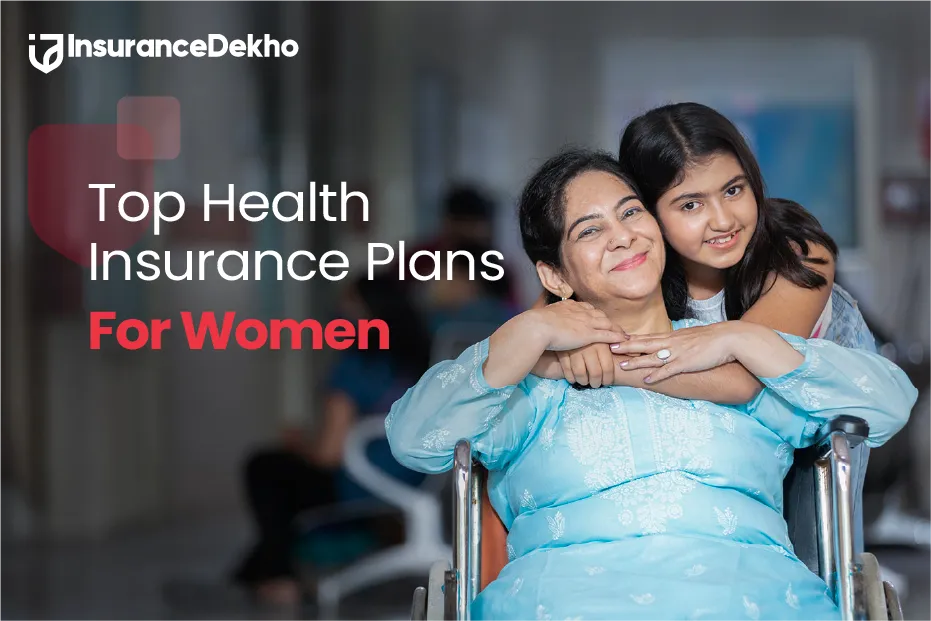
Women-Specific Insurance Products Witness Steady Growth in India
Women-Specific Insurance Products Witness Steady Growth in India: India is undergoing a transformative shift in how women access and perceive financial security, especially through women-specific insurance products. As more women become financially independent, their demand for tailored financial protection has grown significantly. Insurance companies have taken note, introducing a wide range of products designed specifically to meet women’s unique healthcare, life-stage, and financial needs. From health insurance covering maternity and critical illnesses to life insurance offering customized coverage, women now have more options than ever before to safeguard their futures.
This rise in gender-specific financial instruments marks a crucial step toward financial inclusion. According to recent data from insurers, there’s been a steady uptick in the participation of women across age and income brackets. Women from diverse backgrounds—working professionals, entrepreneurs, homemakers, and students—are increasingly looking at insurance not just as a safety net but as a strategic tool for long-term financial planning. Moreover, with rising awareness and digital literacy, many are independently exploring and enrolling in these policies without relying solely on male family members.
Experts believe this surge is not just a marketing trend but a reflection of societal change. Bhaskar Nerurkar, Head of Health Administration Team at Bajaj Allianz General Insurance, stated that the surge “reflects a growing acknowledgment that women have unique healthcare and financial needs that were historically underserved.” Madhu Burugupalli, Head of Product Management & Strategy at Bajaj Allianz Life, emphasized that the industry now focuses more on protection plans that cater to evolving responsibilities across different life stages.
Who Can Apply for Women-Specific Insurance Plans?
Women-specific insurance policies are generally available to:
- Working professionals (salaried or self-employed)
- Homemakers
- Women entrepreneurs
- Expecting mothers or those planning families
- Students above 18 years old
Eligibility may vary depending on the product, but most insurers cover women aged 18 to 65 years. Some maternity insurance and critical illness plans have restrictions based on marital status, health condition, or age at the time of policy purchase.
Also read: Insurance Framework in Aviation: Lifeline or Legal Battleground?

What Are the Insurance Fees & Premiums?
The premium amount varies based on several factors:
| Insurance Type | Annual Premium Range | Coverage Amount |
|---|---|---|
| Maternity Insurance | ₹7,000 – ₹30,000 | ₹3 lakhs – ₹10 lakhs |
| Critical Illness Plans | ₹5,000 – ₹25,000 | ₹5 lakhs – ₹25 lakhs |
| Life Insurance (Term) | ₹3,000 – ₹10,000 | ₹25 lakhs – ₹1 crore |
| Cancer Care Insurance | ₹2,500 – ₹8,000 | ₹5 lakhs – ₹20 lakhs |
| Health Insurance (General) | ₹4,000 – ₹12,000 | ₹3 lakhs – ₹10 lakhs |
These rates may fluctuate depending on the insurer, city, age, and coverage customization.
How to Use & Benefit from Women-Centric Insurance Plans
Benefits Include:
- Maternity coverage (pre- and post-natal expenses, delivery costs)
- Preventive health check-ups
- Cashless hospitalization across network hospitals
- Cover for gender-specific critical illnesses like breast or cervical cancer
- Mental health coverage and wellness programs
- Financial support in case of diagnosis or accidents
Usage Scenarios:
- Hospitalization: Use your health card for cashless treatment.
- Claim reimbursement: Submit documents online/offline.
- Wellness perks: Avail discounts on fitness apps, yoga, and diet consultations.
- Riders/Add-ons: Enhance your policy with pregnancy complications cover, newborn cover, etc.

How to Apply for a Women-Specific Insurance Policy
Step-by-Step Application Process:
- Research Plans Online – Compare products on insurer websites or aggregators.
- Choose the Right Policy – Based on life stage, budget, and coverage needs.
- Fill in Application Form – Provide KYC, age, medical history, and income proof.
- Medical Checkup (if needed) – Especially for older women or high-coverage plans.
- Pay the Premium – Monthly, quarterly, or annually via digital methods.
- Policy Issued – Once documentation and underwriting are complete. Compare Women Insurance Plans – PolicyBazaar
Important Dates to Remember
| Event | Date/Timeline |
|---|---|
| National Insurance Awareness Day | June 28 |
| International Women’s Day Offers | March 8 (annual discounts/promos) |
| Annual Premium Renewal Date | As per policy issue date |
| Free-Look Period | 15–30 days from policy start |
Always check policy brochures and terms before committing.
Disclaimer
The details mentioned above are for informational purposes only. Premiums, coverage, and benefits may vary based on your individual health, age, insurer’s terms, and underwriting. Always read the policy document carefully before purchase. For any disputes, refer to IRDAI and legal advisory support.
Women-Specific Insurance Products Witness Steady Growth in India Conclusion
Women in India are increasingly taking control of their financial future, and insurance is a vital component of that journey. The emergence of women-specific insurance products reflects a more inclusive, thoughtful approach by the industry to meet the unique needs of women. Whether it’s maternity care, critical illness, or term life protection, these plans are making a meaningful difference in empowering women with financial security and peace of mind.
By opting for the right policy at the right stage in life, women can better prepare for medical emergencies, secure their families, and ensure a dignified lifestyle post-retirement. What makes these products truly valuable is not just their financial coverage but the confidence they instill in millions of Indian women across socio-economic backgrounds.
Moreover, as digital literacy rises and more women independently make financial decisions, the demand for such plans is bound to accelerate. It is vital that insurers continue innovating and offering products tailored to women’s changing roles in society.
In essence, women-specific insurance is not just a policy—it’s a statement of empowerment, independence, and foresight. Investing in one today could mean securing a lifetime of well-being and financial freedom.
Women-Specific Insurance Products Witness Steady Growth in India FAQs
1. What are the best women-specific insurance products in India right now?
Some top-rated plans include Bajaj Allianz Women Wellness Rider, HDFC Life Smart Woman Plan, LIC’s Jeevan Shanti, and Star Women Care Insurance Policy. These offer coverage for maternity, critical illness, and financial support during life-stage transitions.
2. Are maternity-related expenses fully covered in women-specific insurance?
Yes, many plans cover pre- and post-natal care, delivery charges, C-sections, and even newborn baby care for the first few months. However, there may be a waiting period of 9–24 months, so check this before buying the policy.
3. Can homemakers without income apply for women-specific insurance?
Absolutely. Many insurance providers now offer low-premium, fixed-benefit plans for homemakers. While the coverage may be lower, they are designed to provide essential financial protection and medical coverage.
4. Is a medical checkup mandatory before buying these policies?
Not always. For young and healthy applicants, medical checkups might be waived. But for higher coverage or applicants over 40 years old, insurers may require a basic health screening or medical underwriting.
5. How do I compare different women-specific insurance plans effectively?
Use trusted online platforms like Policybazaar, Coverfox, or directly visit insurer websites. Compare based on premium, coverage, waiting period, exclusions, and claim settlement ratios to make an informed decision.
Related Posts :




Share This Post